
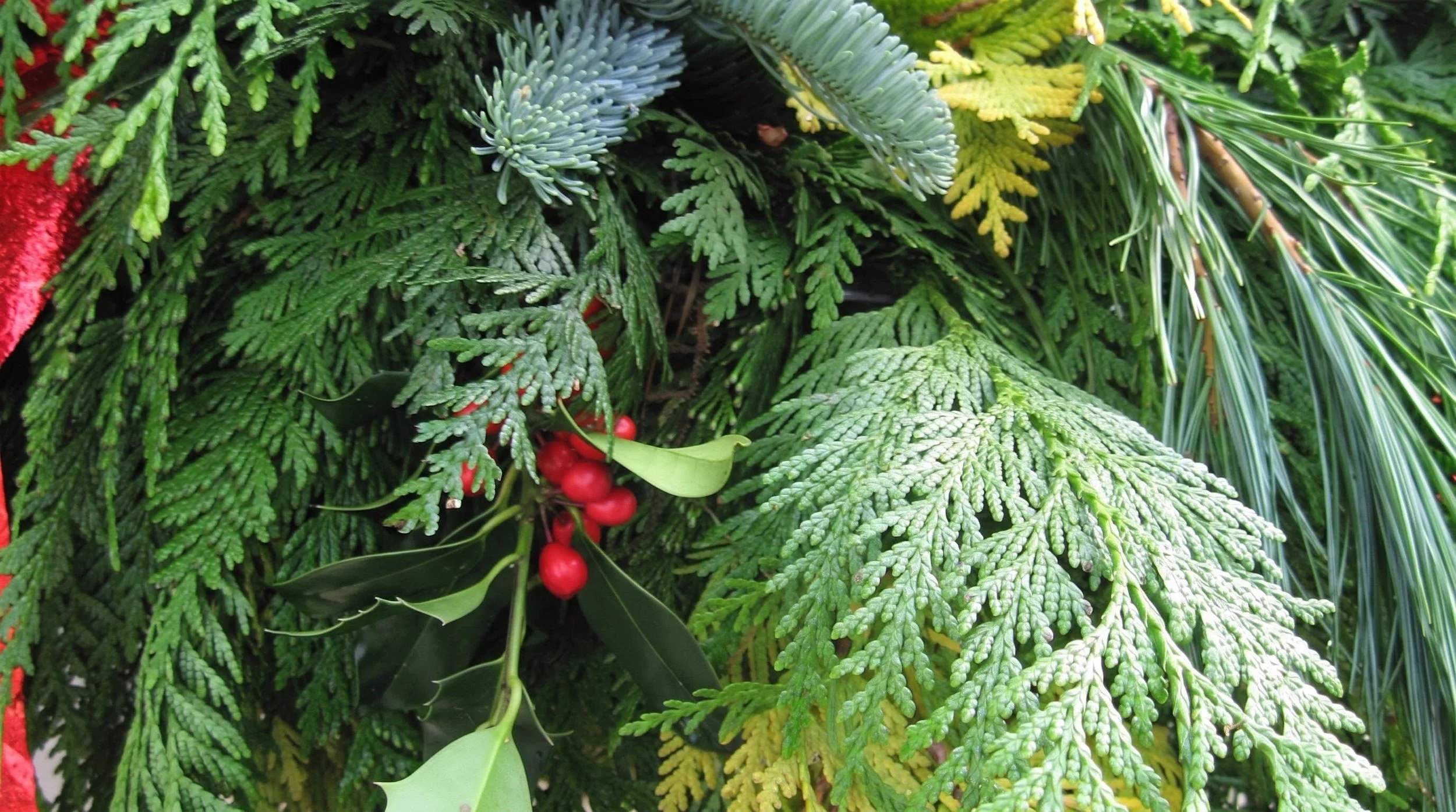
Recent mountain snow is a clear reminder that cold weather is here, making it time to support our best garden allies: the birds! While hanging any feeder helps, attracting wild birds takes a bit more thought—and the rewards for your garden are well worth it.
Gardening Tips / Feeding the Birds
Feeding Wild Birds Winter Bird Feeding Bird-Friendly Gardens
For purchased bird seed, the cheapest is seldom the best, and if the birds just pick through it and scatter most of it uneaten to the ground, it is not much of a bargain.
Although there is no question that certain species prefer special seed types, the blend generally attractive to most wild birds is black oil sunflower seed and white millet. It’s interesting that most species have little desire for buckwheat, flax, oats, rice seed and wheat. If you are going to purchase seed, you might as well get the stuff they eat. The small, fine nyjer thistle bird seed is one of the best for attracting smaller birds, but be sure to use a feeder that will keep the seed from spilling out too easily.
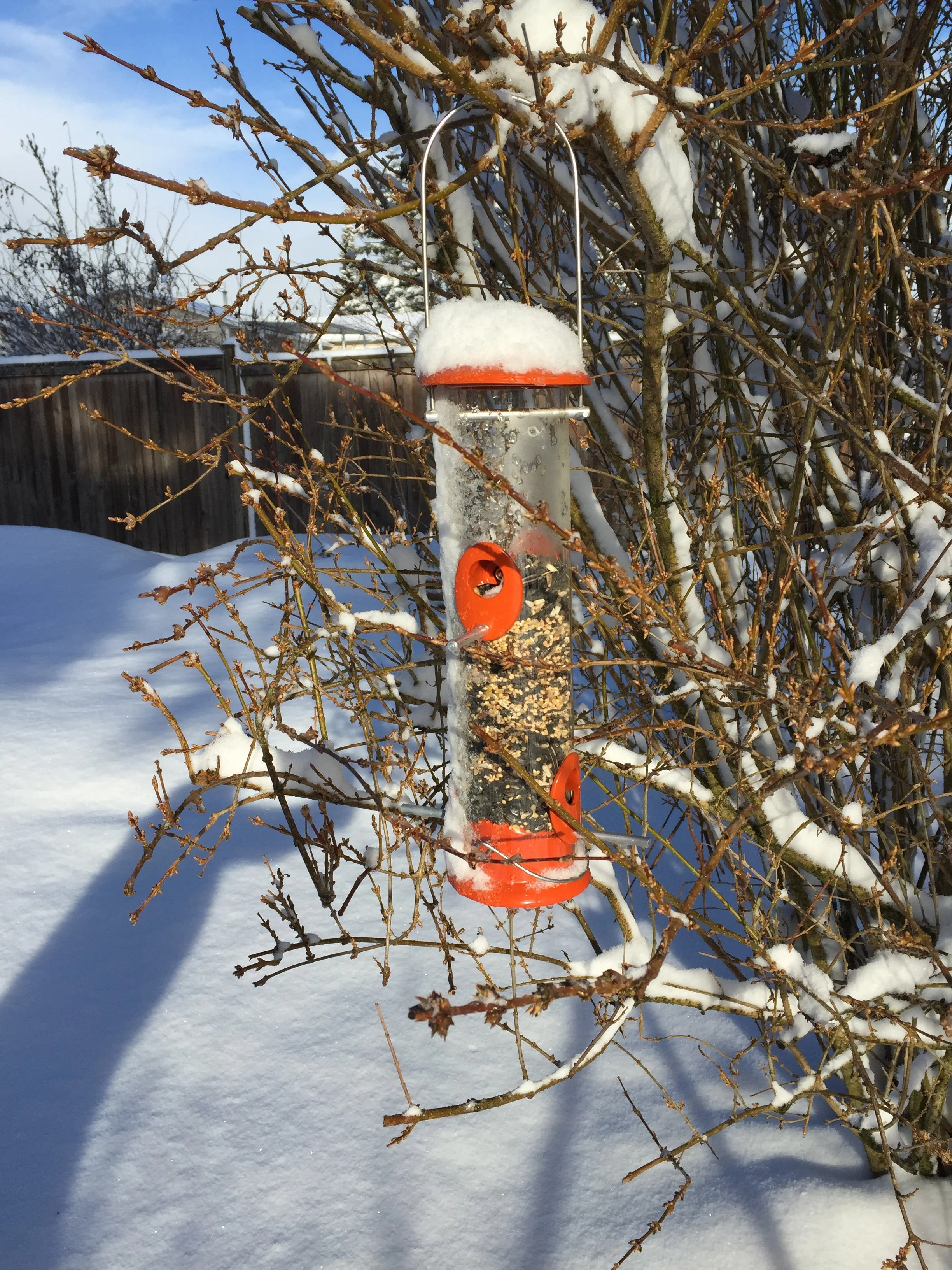
During cold weather, birds need high energy food and suet is among the best and you can find some tasty mixes that include seed and fruits to keep them coming back for more.
Don't forget that birds have no teeth. Instead, they rely on fine particles of grit in their gizzards to grind up hard seeds. You can buy grit, but coarse sand will do fine.
Just scatter some on your feeder. Remember to secure your feeder in a location out of cold winter winds to protect the birds while they are dining. It is also a good idea to locate feeders near thickets or bushy trees where they can dart quickly should a predator suddenly appear, and avoid placing feeders near reflective windows that they might fly into.
If you haven't done so before, try setting up a bird feeding station for the winter. Remember that various species feed at different height levels, so use ground feeders, six-foot high feeders as well as ten to twelve foot high feeders to attract the largest number of birds.
Cleanliness and consistency are two of the most important necessities of a feeding station. Mouldy, spoiled food can be dangerous to birds, and excess food spilled on the ground will attract rodents, and it is also a good idea to rake the ground below the feeder and to clean up any spilled food.
Keep your feeders clean all year round and only put out enough food to last a few days, then refill. Birds will not stay in one area if their food service is not consistent so, don't allow the feeder to be empty for days at a time, especially during cold spells. Should you have bears in the area, consider relying on plant sources for bird food instead of feeders, so that bears are less attracted to your yard. In the fall, bears need approximately 20,000 calories a day to prepare for winter, and a bird feeder can hold about 8,000 calories, which is a pretty good draw for a quick meal.
Plants would still help the birds while prevent temptation from other wild animals.
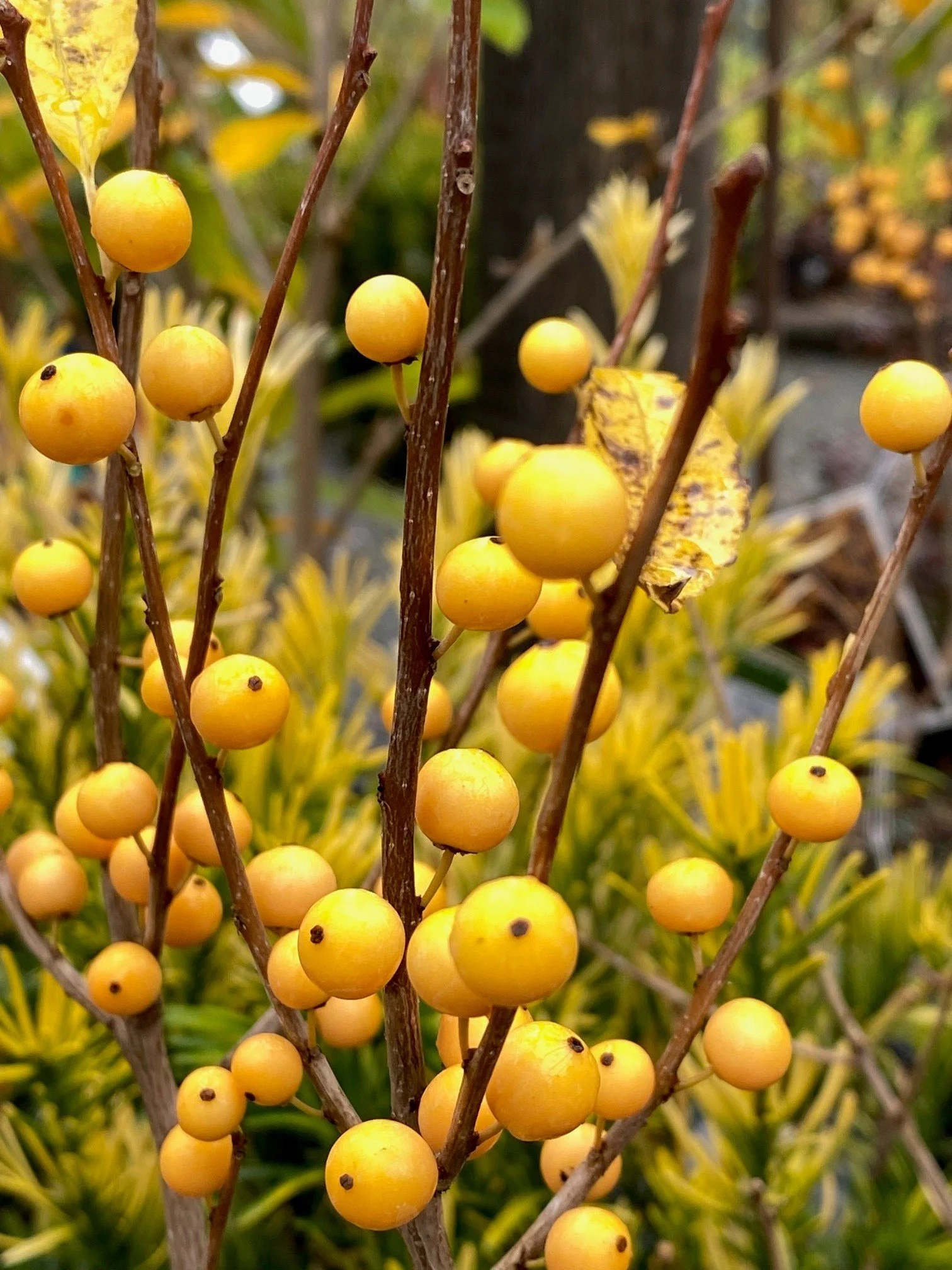
A garden planted with certain varieties of trees and shrubs will provide consistent, natural food sources over the winter.
Generally, native species of plants are preferred by overwintering birds, but the following trees, shrubs and perennials are all good options to provide winter food and/or shelter. Berried plants that fruit, like pyracantha, cotoneaster and ornamental flowering crabapples, are a great source of winter food, as is English holly and deciduous Ilex verticulata. The seed pods of alder and certain dogwoods, like ‘Red Osier’, and even winter-flowering Cornus mas, offer a good supply of food. Believe it or not, the cones from mugho and Scotch pines, spruce and hemlock are food sources too.
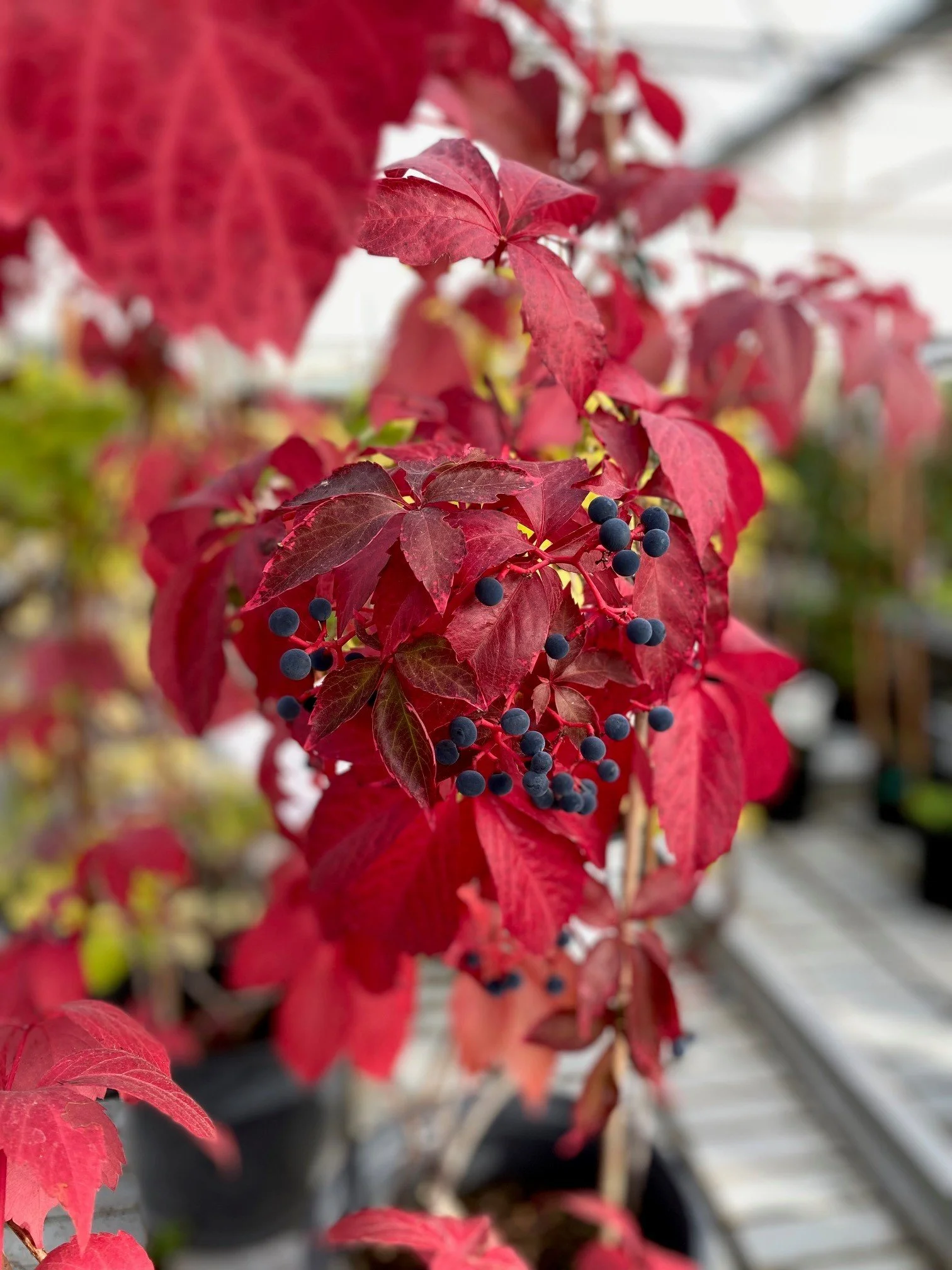
Rose hips, particularly from some of the old-fashioned roses, and the new Meidilands, like ‘Bonica’, are a real treat for birds. Additional plants that provide valuable food or shelter for birds include: Trees: Black Hawthorn, Sitka Mountain Ask, Thuja occidentalis, Blue Spruce (picea pungens), Hemlock; Shrubs: Saskatoon Berry, Nootka Rose, Red Elderberry, Thimbleberry (Rubus parviflorus), Mahonia aquifolium and nervosa, Shrubby Dogwoods (cornus species), Cranberry (Viburnum trilobum), Callicarpa, Barberry (Berberis), Boxwood, Sumac, Red and Black chokeberry, Serviceberry, Kinnikinnick; Vines: Bittersweet (Celastrus).

Birds need a consistent source of water too, and if you can keep an open source of water near your feeder you will attract more than your share of birds! If you have a birdbath that quickly freezes up you may want to purchase a birdbath heater, or just be sure to set out clean fresh water each morning.
Remember to keep your water bath clean throughout the season too; wash them thoroughly when you’re cleaning your feeders.
By intermingling feeders with a variety of plants that provide food and shelter over the cooler months of the year, you’ll be helping to keep our feathered friends healthy and well fed. They’re also fascinating to watch and provide great backyard music and entertainment!
Please note, however, that if you are setting out vessels and food for birds, you should also watch for updates on avian flu during winter. Should advisories be in place to remove feeders in order to keep wild birds safe, please do so.
