
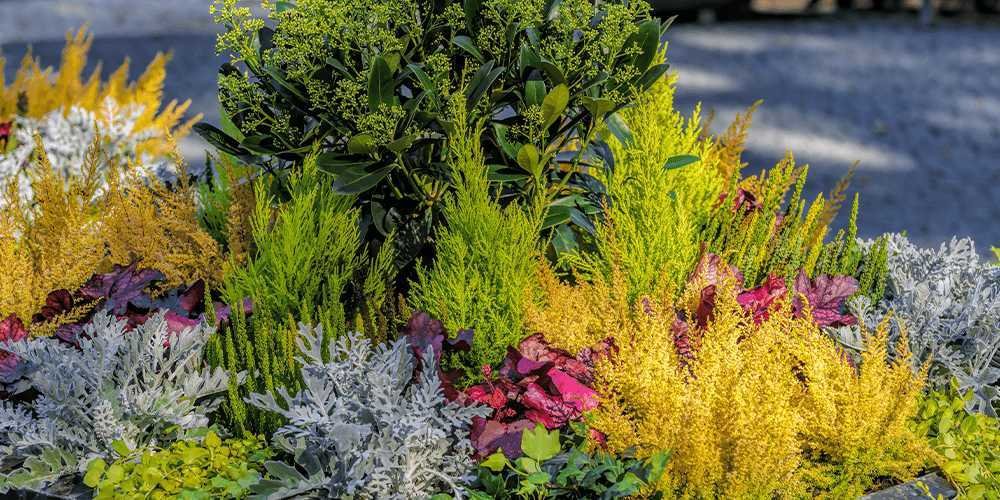
As the weather turns cooler and wetter with shorter hours of daylight, wouldn’t it be wonderful to brighten up your patio with some great colour? Enhancing our patios with colourful containers is easier than you may think—you just need to be both creative and strategic.
Gardening Tips / Recipes for Late Fall and Winter Containers
Fall and Winter Containers Winter Container Plants Container Gardening
First, select the right containers. There’s a great selection out there, but avoid clay and cheap ceramics as they can crack with heaving frost. Well-fired frost-resistant ceramics are fine, as are zinc, resin, and well-made plastic containers. Also, size matters: as a rule of thumb, the larger the container, the better the plants do, simply because of the bigger soil mass. For a great look, try grouping planters together and varying their heights.
Soil Prep & Drainage
Soil is a key issue in fall and winter.
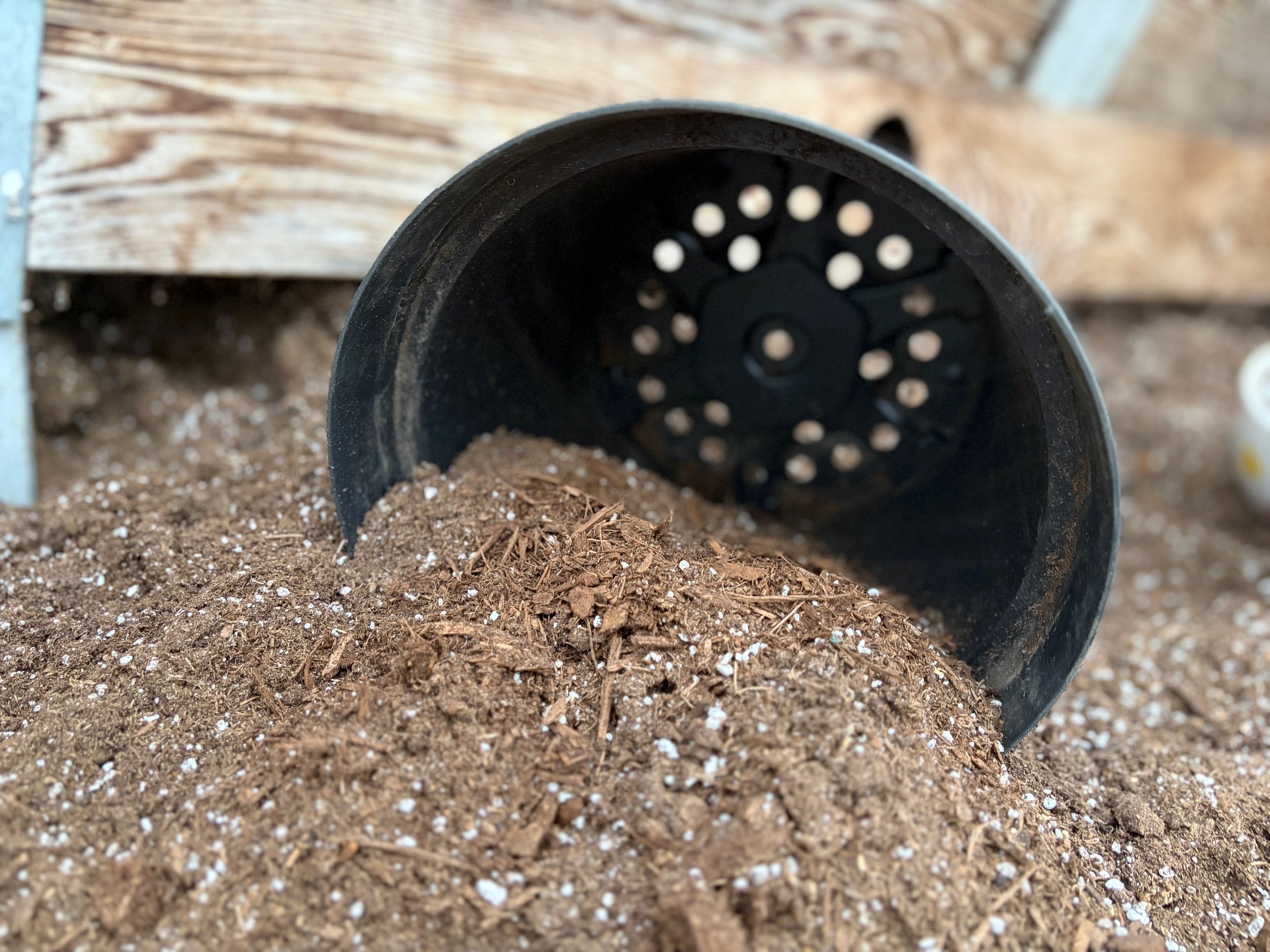
Open, porous, well-drained soil is a must because regular potting soils hold too much moisture, which tends to rot roots.
Your best bet is to get a quality potting soil and add a third measure of fine fir or hemlock bark mulch—this creates an ideal nursery mix for fall and winter plants. We also carry a bagged Container Blend, which is what we use for our own plantings.
Winter Care & Freeze Protection
Most hardy zone 6 plants will thrive in containers over winter in our area with minimal maintenance.
They will, however, need to be kept moist, especially if they are under eaves or on covered patios or decks. Hardy plants in winter containers do nicely down to about -8°C, but lower than that, they need protection.
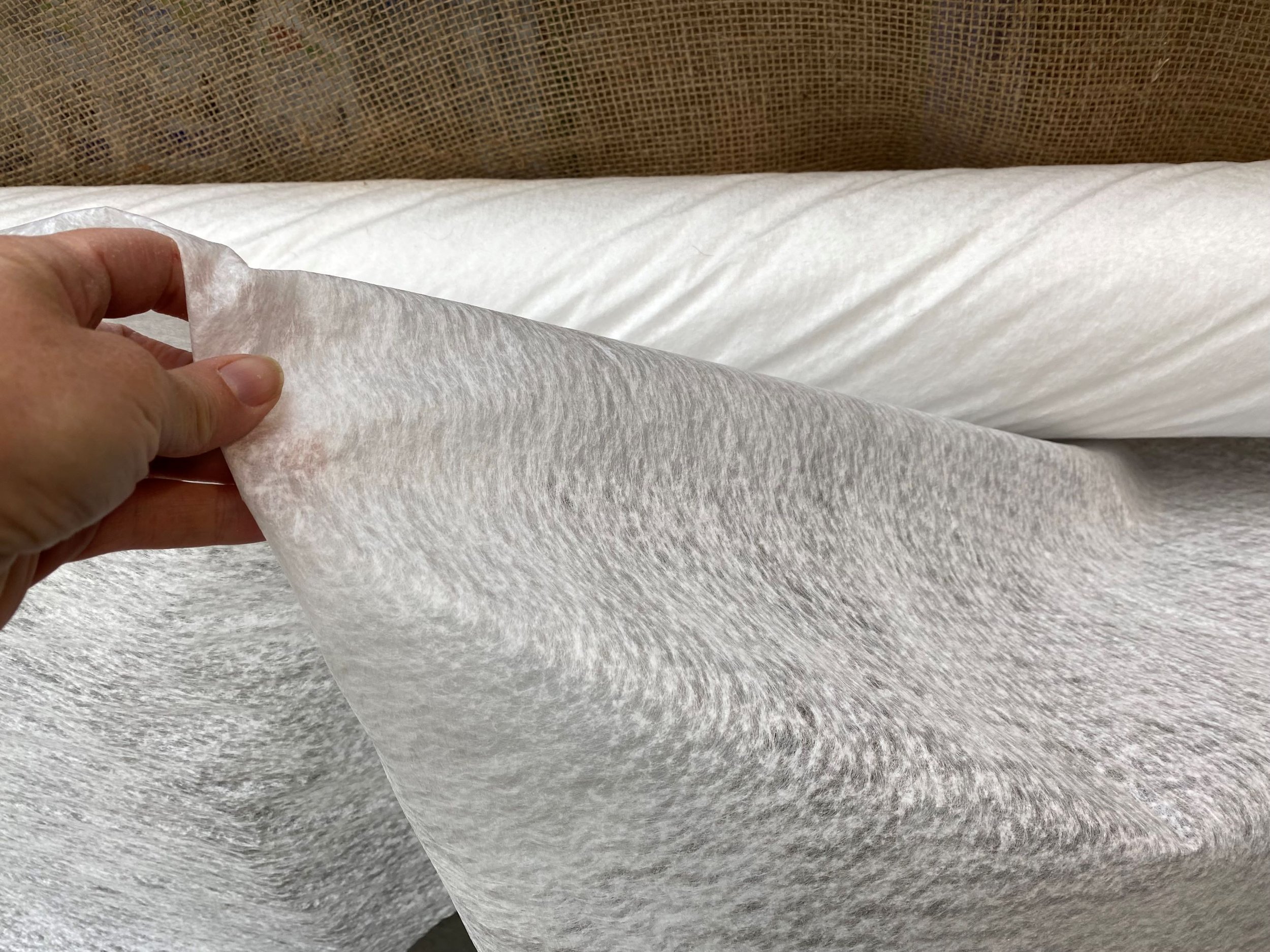
Keeping them out of cold winter winds and wrapping them with insulating materials like N-Sulate fabric blocks wind and keeps temperatures about 8°C warmer. As soon as the worst of the cold is over, simply unwrap your container and store the materials for future use.
Focal Points & Accent Foliage
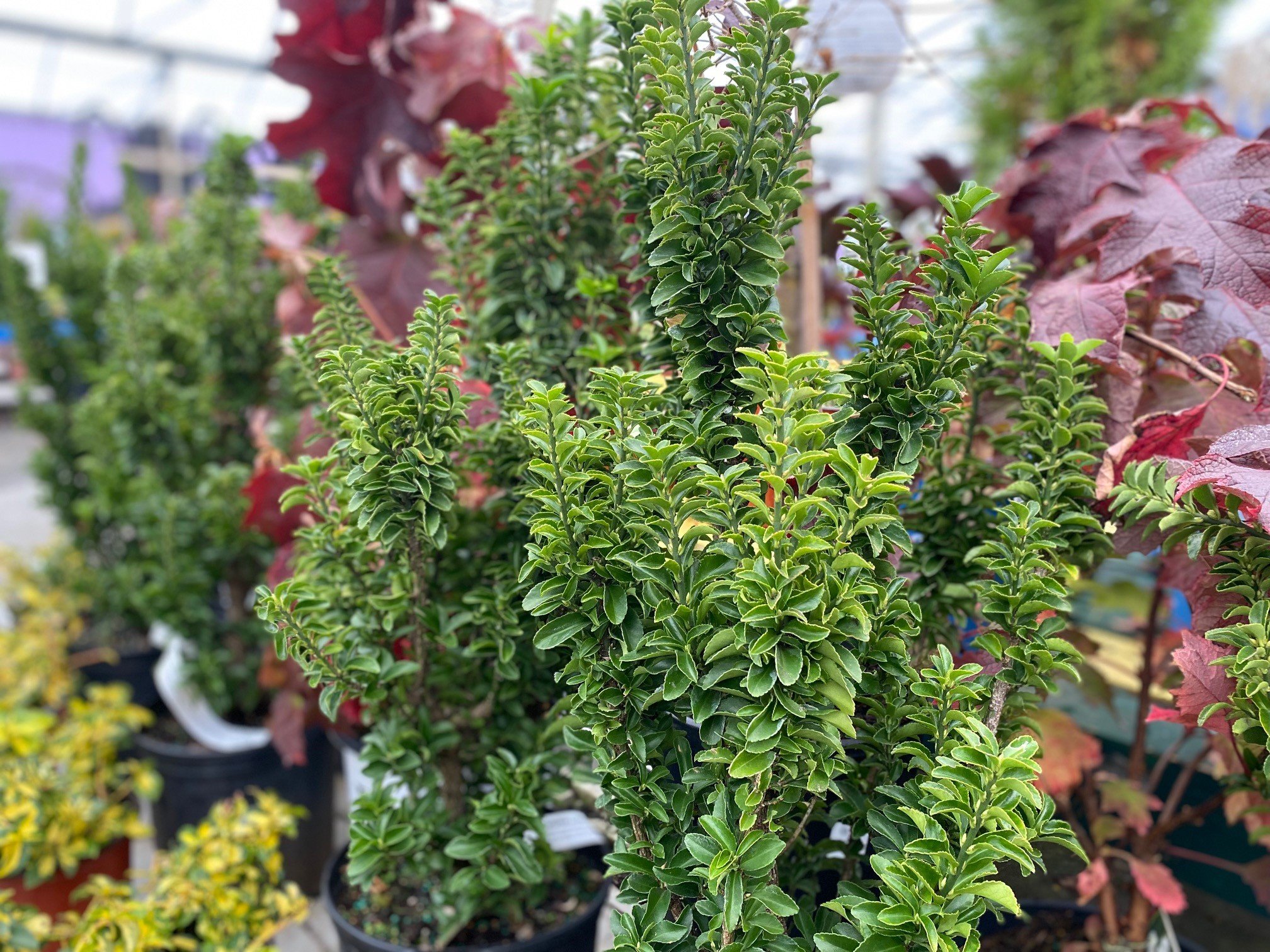
Now for the best winter container plants! For bold focal points, try columnar Irish yews, ‘Green Spire’ euonymus, ‘Sky Pencil’ Japanese holly, red and yellow twig dogwoods, or funky conifers like Golden Hinoki cypress.
Complement them with colorful accent plants like evergreen euphorbias, bright heucheras, winter-flowering heathers, dwarf Heavenly Bamboo, Osmanthus ‘Goshiki’, or shade-tolerant Leucothoe ‘Rainbow’.
Highly fragrant Sarcococca also produces incredible blooms in mid-winter. Many of these shrubs can easily be transplanted from your container into the garden come spring.
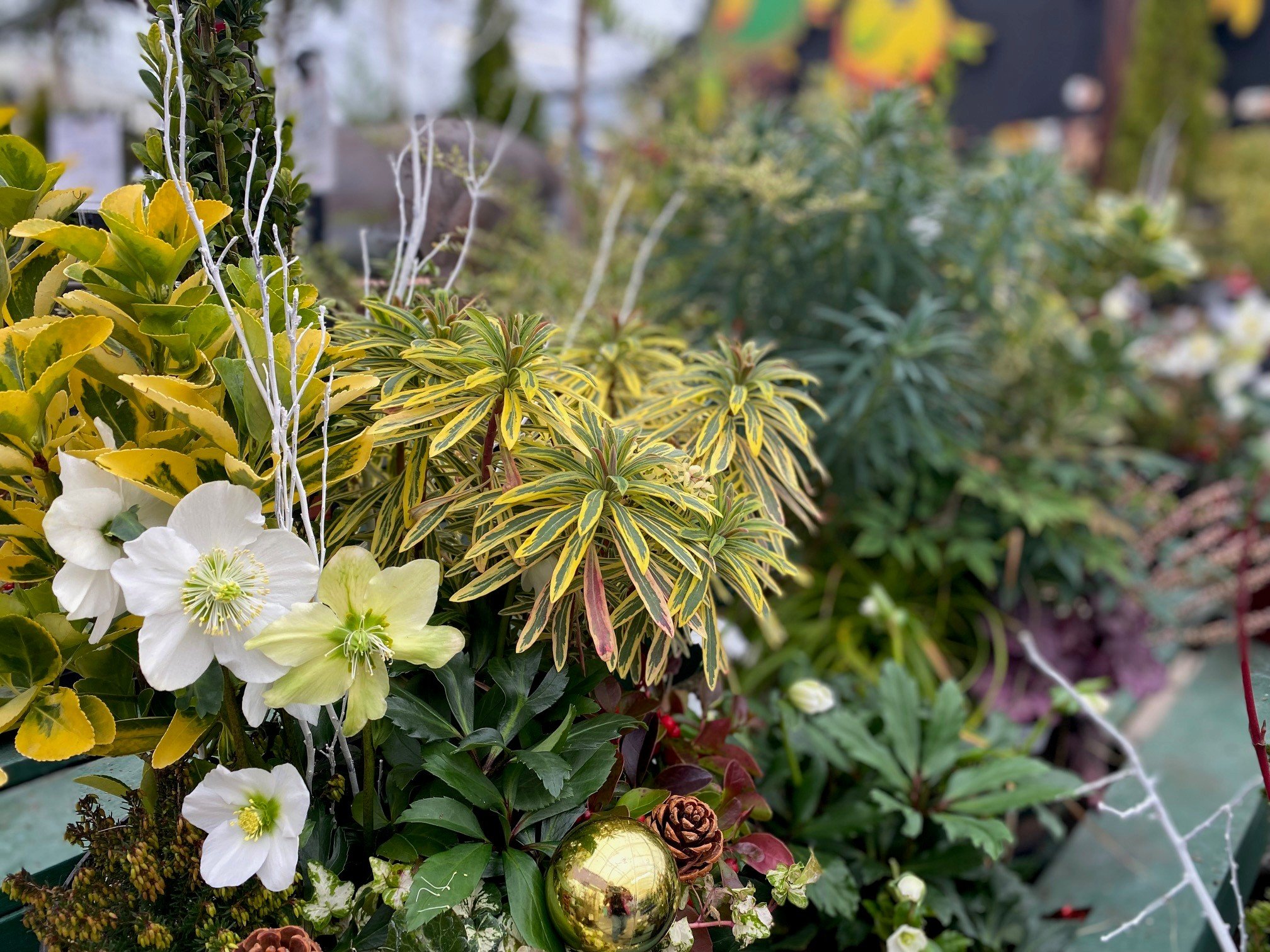
Berries, Spill-Overs & Winter Blooms
Complete your arrangement with vibrant berries like Wintergreen (gaultheria), deciduous holly, or pyracantha.
For trailing spill-overs, use evergreen grasses like Carex ‘Evergold’ or ‘Everillo’, variegated ivy, and hardy sedums. You can also add pops of winter color with hellebores, violas, pansies, or mini cyclamen, and stick in contorted willow or filbert stems to add height, structure, or even hold small bird feeders in larger planters.
Remember to keep your water bath clean throughout the season too; wash them thoroughly when you’re cleaning your feeders.
There is so much beautiful evergreen foliage available today that even without flowers, these containers can be stunning.
If you’ve never created your own cool-weather container before, you’ll be surprised by how easy they are to make and how attractive they look all season long!
